One moment you feel fine. The next, a small comment makes you tear up, or a minor delay makes you snap. Later, you wonder why you reacted that way. If this sounds familiar, you are not alone. Mood swings in women are very common, and they can show up at almost any stage of life.
These emotional ups and downs can affect your work, your sleep, and your relationships. They can also leave you feeling guilty or confused. The good news is that most mood swings have a cause, and once you understand it, they become much easier to handle. This guide explains why they happen, what they look like, and what you can do about them.
What Are Mood Swings in Women?
A mood swing is a quick, noticeable shift in how you feel. You may go from calm to irritated, or from cheerful to low, without an obvious reason. The change can last a few minutes, a few hours, or a few days.
Everyone has moods that change with the day. What makes mood swings different is how sudden or intense they feel. They can cloud your thinking, make it harder to concentrate, and change how you speak to people you love. A partner, child, or colleague may not understand what is going on, which can lead to arguments and distance.
It helps to remember that mood swings are not a character flaw. They are a signal from your body or mind that something needs attention.
Common Causes of Mood Swings in Women
There is rarely just one reason. Often, several factors overlap. Here are the most common ones.
Hormonal changes during the menstrual cycle
Hormones are chemical messengers in the body. During a monthly cycle, the levels of two key hormones, estrogen and progesterone, rise and fall. These shifts can change how you feel, think, and react, especially in the days before your period.
PMS (Premenstrual Syndrome)
PMS is a group of physical and emotional symptoms that appear one to two weeks before a period and ease once bleeding starts. Many women notice irritability, sadness, bloating, and tiredness. PMS mood swings are one of the most common complaints.
Pregnancy and postpartum changes
Pregnancy brings large hormone changes, along with physical tiredness and big life adjustments. After delivery, hormone levels drop quickly, and new mothers are often short on sleep. Mild mood changes in the first couple of weeks, often called the “baby blues”, are common. If low mood is deep or lasts longer, it may be postpartum depression, which needs medical care.
Perimenopause and menopause
Perimenopause is the transition phase before periods stop completely. It can begin in the 40s, and sometimes earlier. Hormone levels become unpredictable, and many women notice anxiety, irritability, or low mood. Mood changes during menopause can also be worsened by hot flashes and poor sleep.
Stress and anxiety
Long-term stress keeps your body in “alert” mode. This can leave you on edge, quick to anger, or easily overwhelmed. Many women carry a heavy load of work, family duties, and emotional care for others, so stress is a very common trigger.
Lack of sleep
Sleep is when your brain resets. Even a few nights of poor sleep can make you more irritable, tearful, and sensitive. Low sleep also makes other triggers feel bigger than they are.
Nutritional deficiencies
Low levels of iron, vitamin B12, vitamin D, or magnesium may affect energy and mood. Skipping meals can also cause blood sugar to dip, which may leave you shaky, cranky, or anxious. A blood test is the only reliable way to know if you are low in something, so avoid guessing or starting supplements on your own.
Thyroid problems and other medical conditions
The thyroid is a small gland in your neck that controls how your body uses energy. If it is overactive, you may feel anxious, restless, and irritable. If it is underactive, you may feel tired, low, and slow. Other conditions, such as PCOS, anemia, diabetes, and certain medicines, can also affect mood.
Common Signs and Symptoms
Emotional changes in women can look different from person to person. Common signs include:
- Irritability over small things
- Sudden anger or a short temper
- Sadness or feeling low without a clear reason
- Crying spells
- Anxiety or constant worry
- Frustration that builds quickly
- Feeling more sensitive to criticism or comments
- Pulling away from people, or feeling clingy
- Trouble focusing
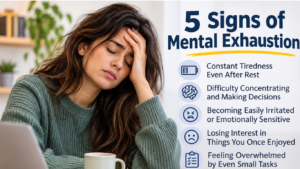
You may also notice changes in behaviour, such as snapping at family, overeating, losing interest in things you usually enjoy, or feeling overwhelmed by everyday tasks.
Occasional changes like these are normal. It is worth paying attention when they become frequent, intense, or start to disturb your daily life.
How Hormonal Changes Affect Women’s Mood
Estrogen and progesterone do more than control the menstrual cycle. They also interact with brain chemicals such as serotonin, which helps regulate mood, sleep, and appetite.
When estrogen is high, many women feel more energetic and positive. When it drops, as it does before a period, after childbirth, or during menopause, some women feel low or irritable. Progesterone has a calming effect for many people, so changes in its level can also affect how settled you feel.
It is not only the level of hormones that matters. Some women are simply more sensitive to normal hormone shifts than others. That is why two women can have the same cycle but very different experiences.
Hormonal mood changes are real, but they are not the answer for everyone. Stress, sleep, health conditions, and life circumstances play a big part too, so it is important not to assume every low or angry day is “just hormones”.
Mood Swings Before Periods
Many women feel more emotional in the week or two before their period. This usually starts after ovulation, when hormone levels begin to change, and tends to settle within a few days of bleeding starting.
Typical PMS mood swings include irritability, sadness, anxiety, and being more tearful than usual. Some women also notice cravings, breast tenderness, headaches, and tiredness.
A small group of women have a more severe form called PMDD (Premenstrual Dysphoric Disorder). With PMDD, the emotional symptoms can be intense, such as strong anger, deep hopelessness, or panic, and they can interfere with work and relationships. If you feel this way before most of your periods, speak to a doctor. PMDD is a recognised medical condition, and treatment is available.
How to Manage Mood Swings in Women Naturally
Simple daily habits can make a real difference. They may not remove mood swings completely, but they can make them milder and easier to handle.
Get enough sleep. Aim for around seven to nine hours. Try to sleep and wake at similar times, and keep screens away from the bed.
Eat a balanced diet. Have regular meals with vegetables, fruit, whole grains, protein, and healthy fats. Limit too much sugar, caffeine, and alcohol, which can make mood and energy swing more.
Move your body. Regular exercise, even a 30-minute walk most days, can lift mood and reduce stress.
Drink enough water. Mild dehydration can leave you tired and irritable. Keep water within reach during the day.
Manage stress. Take short breaks, say no when you are overloaded, and talk about what is bothering you. Slow, deep breathing for a few minutes can calm your body quickly.
Try yoga and meditation. Gentle yoga, stretching, and mindfulness practice can help you feel more grounded. Even ten minutes a day is a good start.
Track your cycle. Note your mood, energy, and sleep alongside your period dates in a notebook or app. After two or three months, you may see a clear pattern, which helps you plan ahead and gives your doctor useful information.
Spend time with people you love. Connection matters. Talk to a friend, family member, or someone you trust. Telling them when you feel a mood swing coming can also help them respond with patience.
If you are considering supplements or herbal products, check with a doctor first, as they are not right for everyone.
When Should Women See a Doctor?
Mood changes are common, but you do not have to simply put up with them. Consider seeing a doctor if:
- Mood swings are frequent, severe, or last for weeks
- They disturb your work, studies, or relationships
- You feel hopeless, empty, or lose interest in things you usually enjoy
- You have constant anxiety, panic, or racing thoughts
- Symptoms follow a clear pattern before each period and feel unmanageable
- You have other signs such as unusual tiredness, weight changes, hair loss, or irregular periods
- You have had a baby and feel very low or unable to cope
A doctor can check whether PMS, PMDD, depression, an anxiety disorder, or a thyroid problem is involved. Simple blood tests and a conversation about your symptoms are often enough to find a direction. If you ever have thoughts of harming yourself, seek help right away by contacting a doctor, a trusted person, or your local emergency or helpline service.
Conclusion
Mood swings in women are common, and they are rarely without a reason. Hormones, stress, sleep, nutrition, and health conditions can all play a part, and understanding your own triggers is the first step toward feeling more in control.
Start small. Protect your sleep, eat regularly, move daily, and keep a simple record of how you feel. And if your mood changes are heavy, long-lasting, or affecting your life, reach out to a healthcare professional. Asking for help is not weakness. It is a sensible way to look after yourself.
Frequently Asked Questions (FAQs)
1. What causes mood swings in women?
Mood swings in women can come from hormonal changes, PMS, pregnancy, perimenopause, stress, poor sleep, low nutrient levels, or medical conditions such as thyroid problems. Often more than one factor is involved.
2. Why do women experience sudden mood swings?
Sudden shifts often happen when hormone levels change quickly, when you are short on sleep, or when stress builds up. Skipped meals and tiredness can also make emotions feel sharper than usual.
3. Are mood swings in women related to hormonal changes?
Often, yes. Estrogen and progesterone affect brain chemicals that help control mood. But hormones are not the only cause, so it is worth looking at stress, sleep, diet, and health too.
4. Why do mood swings happen before periods?
After ovulation, hormone levels shift, and some women are more sensitive to these changes. This can cause irritability, sadness, or anxiety in the days before a period. Symptoms usually ease soon after bleeding begins.
5. Can stress cause mood swings in women?
Yes. Ongoing stress keeps the body on high alert, which can make you more irritable, anxious, or emotional. Stress can also disturb sleep and eating habits, which adds to the problem.
6. How can women control mood swings naturally?
Good sleep, balanced meals, regular exercise, enough water, stress management, yoga, and meditation all help. Tracking your cycle and talking to people you trust can also make mood swings in women easier to manage.
7. At what age do mood swings start in women?
They can begin at puberty, when periods start, and may continue through the reproductive years. Many women notice another change during pregnancy, after childbirth, and in perimenopause, often in the 40s.
8. Can mood swings be a sign of menopause?
They can be. Mood changes during menopause and perimenopause are common, often alongside irregular periods, hot flashes, and poor sleep. Since other conditions can look similar, a doctor can help confirm the cause.
9. How long do hormonal mood swings last?
It depends on the cause. PMS mood swings usually last a few days to a week or two each month. Postpartum changes may last a few weeks, and perimenopause symptoms can continue for months or even years.
10. When should women worry about mood swings?
See a doctor if mood swings are severe, frequent, long-lasting, or affect your daily life, or if you feel hopeless or have thoughts of self-harm. Mood swings in women are common, but persistent distress deserves professional support.