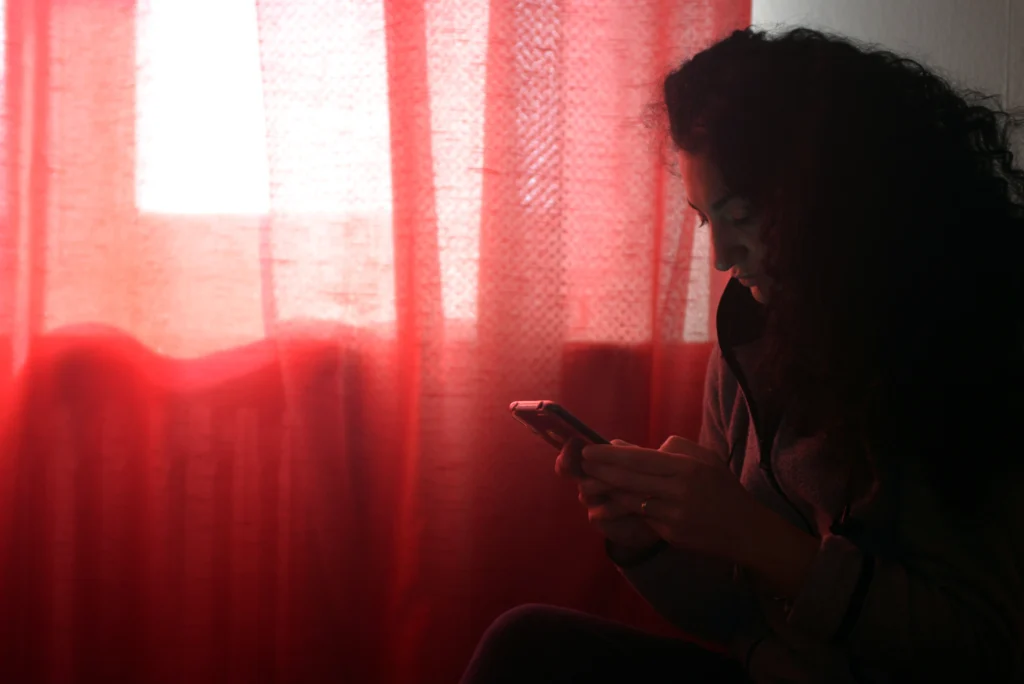
You’re scrolling through your feed when a cruel comment pops up – or worse, a private
message or viral post targeting you. What starts as “just online drama” soon creeps into
your sleep, self-esteem and daily peace.
Online harassment and social trauma aren’t just digital inconveniences – they’re
psychological injuries that can deeply affect mental health.
In this blog, let’s explore how online abuse impacts the mind and how professional
psychological support – including online harassment counselling and cyberbullying
therapy – can help you heal and regain control.
What is Online Harassment and Social Trauma?
Definitions: Cyberbullying, Hate Messages, Doxxing and Digital Stalking
Online harassment includes a range of behaviors – cyberbullying, threatening messages,
coordinated online shaming, doxxing (sharing private information) or digital stalking.
These experiences can lead to deep emotional pain and ongoing distress.
How They Differ (and Overlap) with Offline Trauma
Unlike traditional bullying or trauma, digital harassment doesn’t end when you walk
away. It’s permanent, replayable and public – the audience is endless and the sense of
exposure can feel relentless.
Why It Matters for Mental Health
Online harassment can trigger threat perception, hypervigilance, shame and even identity
damage. Victims often relive the incident through notifications or memories, creating
patterns similar to post-traumatic stress.
The Psychological Impact of Online Harassment
Common Emotional & Behavioral Responses
People facing online abuse or cyberbullying often report:
● Persistent anxiety, depression and sleeplessness
● Irritability, social withdrawal or fear of being online
● Feelings of humiliation and loss of self-worth
Long-term Consequences
Without support, victims may develop PTSD – like symptoms, trust issues and identity
crises. Some may even avoid social connections altogether, feeling unsafe in both digital
and real spaces.
Why Some Groups Are More Vulnerable
Research shows young adults, women and LGBTQ+ individuals experience higher rates
of digital harassment. This makes inclusive and trauma-informed counselling vital to the
recovery process.
Signs You May Need Help (Beyond “Just Ignore It”)
If you’ve experienced online abuse, watch for these signs:
● Persistent fear or anxiety triggered by online events
● Sleep disruption or nightmares about what happened online
● Mood swings, lowered self-esteem or avoidance of social platforms
● Relationship strain from emotional withdrawal
● Compulsive checking of what others say about you
● Feeling “stuck” in the incident or public narrative
Recognizing these early helps you decide whether self-help is enough or you need
professional counselling for trauma recovery.
Self-help and Digital Hygiene Strategies (First Aid)
Emotional First Aid
Start by acknowledging what happened. Label your feelings – anger, sadness, fear. Self-validation is a powerful step toward healing.
Digital Hygiene
● Change privacy settings
● Block and report abusers
● Limit exposure to triggering content
● Avoid engaging with online aggressors
Cognitive Strategies
Try journaling your experience, practice self-compassion and remind yourself that the
abuse doesn’t define you.
Physical Wellness Support
Ground yourself in the offline world – sleep well, exercise and reconnect with supportive
friends and family.
➢ When self-help isn’t enough, don’t hesitate to seek help
How Psychological Support Can Help You Heal
What Happens in Therapy
In online harassment counselling or cyberbullying therapy, you get a safe space to
process your story, rebuild your self-image and work through shame.
Therapeutic Tools for Digital Trauma
● Cognitive Behavioural Therapy (CBT) to challenge negative thought loops
● Trauma-Focused CBT (TF-CBT) or EMDR for deep emotional processing
● Mindfulness and grounding techniques to manage anxiety and hypervigilance
Why Choosing a Specialist Matters
Look for therapists trained in cyber-trauma who understand cultural contexts – especially
in regions like Kerala, where online abuse therapy is growing in need. At MindcareDoc,
we offer online counselling for trauma recovery, designed to be private, accessible and
inclusive for all identities.
What to Expect
Your first session will explore your narrative, triggers, and goals. Over time, therapy
helps rebuild your confidence, restore emotional safety, and if needed-coordinate with
psychiatry for comprehensive care.
When to Seek Immediate Professional Help
Red Flags
● Self-harm thoughts or suicidal ideation
● Substance use to cope
● Flashbacks or severe anxiety disrupting daily life
● Sleep-wake reversal or complete social isolation
If any of these sound familiar, contact a psychologist or psychiatrist immediately.
➢ Book an Assessment with our Online Trauma & Cyber-Harassment Counselling
Team at MindcareDoc.
Rebuilding Your Digital Life: A Safe & Balanced Approach
Re-evaluating Your Online Presence
Choose what to keep, what to delete and who gets access to your digital spaces.
Setting Safe Boundaries
Limit time online, engage only with trusted people and use tools that protect your
privacy.
Creating a Positive Digital Identity
Once you feel ready, transform your pain into power – share your recovery story, support
others or join advocacy communities.
Integrating Offline Resilience
Rediscover hobbies, physical activities and meaningful offline connections. Healing
means balancing the digital and the real.
➢ Healing from online trauma isn’t about erasing the incident – it’s about reclaiming
control over your narrative and your mind.
Conclusion
Online harassment may begin on a screen, but its emotional impact is very real. You
don’t have to face it alone. Start with self-care and digital hygiene, and when you’re
ready, seek online counselling for trauma recovery.
At MindcareDoc, we provide psychological support for online harassment – with trained
therapists offering social trauma counselling, emotional trauma therapy online and
cyberbullying therapy across India, including Kerala.